
Indium Tin Oxide (ITO)
-
ITO is highly favoured as a transparent conducting oxide (TCO), resulting in it being used in > 95% of global transparent conductors.
-
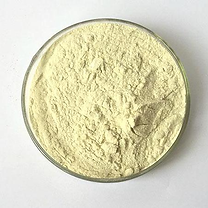
Yellow ITO is more chemically stable, hence it is used in solar cells and electrodes for displays. Blue ITO is more electrically conductive and absorbs infrared better, making it useful in heat shielding.

ITO on OLED displays
Source: https://www.samsung.com/sg/tvs/oled-tv/s90d-77-inch-oled-4k-smart-tv-qa77s90daexxs/


ITO on kiosks
Source: https://www.imakan.com.sg/what-kind-of-self-ordering-kiosks-is-suitable-for-your-f-b-business
-
As a TCO, it has
-
-
High electrical conductivity
-
Low resistivity: < 10⁻⁴ Ω cm
-
Excellent optical transparency: > 90% of high transmittance
-
Electrical Conductivity
-
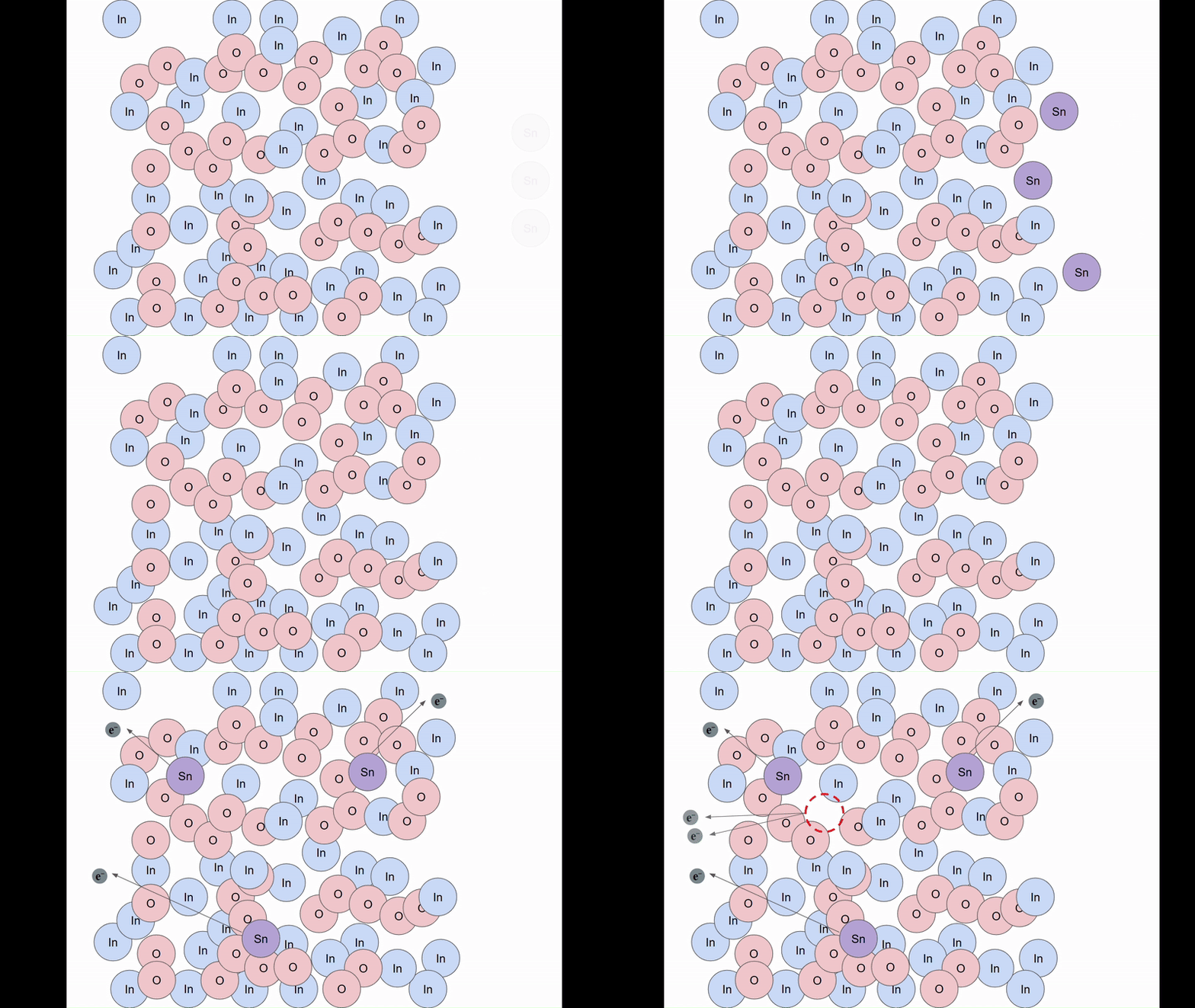
ITO is made of indium oxide doped with tin.
-
Tin replaces some indium. As tin has 4 valence electrons while indium only has 3, a free electron is released in the process.
-
Addition of tin causes an increase in positive charge. To maintain charge neutrality, oxygen vacancies are formed as 1 oxygen vacancy donates 2 electrons.
-
-
Doping significantly increases free electron concentration, moving electrons from the Fermi level to the conduction band → High electrical conductivity
Fermi level: At any temperature, it is defined as the energy level at which the probability of finding an electron is 50% at thermodynamic equilibrium.
Conduction band: Energy level responsible for electrical conductivity, as electrons have great mobility.
Optical Transparency
-
ITO has a large optical band gap, hence
-
-
High-energy photons excite electrons + absorbed
-
Low-energy photons (i.e. visible light) cannot excite electrons + pass through ITO → ITO is transparent
-
Optical band gap: Minimum energy needed by the photon (light particle) to be absorbed by the material to excite an electron from the valence band to the conduction band.

Thermal Stability
-
ITO has a low thermal expansion coefficient → Little to no expansion at high temperatures → Structure, function are maintained constant
-
High performance in different environments
Thermal expansion coefficient: Extent to which the size and volume of materials change with temperature.
Limitations of ITO
-
Supply chain disruptions increasing indium price
-
Indium can mostly only be obtained as a byproduct of zinc and tin ore processing, with a low recovery rate of 50% to 60%
-
Alternatives to ITO: Graphene, carbon nanotubes, silver nanowires, certain conductive polymers, aluminum zinc oxide