
Optically Clear Adhesive (OCA)
Structure And Function of OCA
-
A type of Pressure Sensitive Adhesive (PSA).
-
Deposited onto touch screens by Wet-Bonding (as a liquid then cured using UV light) or by Dry-Bonding (as a film).
-
Holds all the materials of the touch screen together.

Dry Bonding

(+ UV Curing)
Wet Bonding
Source: http://elighttech.com/service/2
What Happens During UV Curing
-
Adhere to substrates via intermolecular forces of attraction.

-
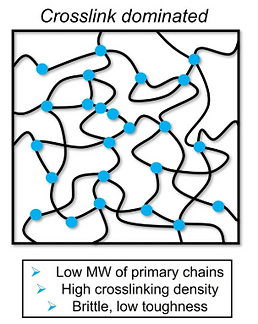
Crosslinking of Polymers: Forms polymer matrix, improves structural integrity + Durability

-
Adhesive strength is enhanced by:
-
Close distance between substrate and adhesive.
-
Liquid OCA can seep into microscopic surface irregularities to increase extent of intermolecular forces.
-
E.g. Hydrogen Bonding
Attractive forces between molecules: Instantaneous dipole-induced dipole interactions between otherwise non-polar molecules, permanent dipole-permanent dipole interactions between polar molecules, and hydrogen bonding with specific types of molecules.
More about intermolecular forces: https://byjus.com/chemistry/different-types-of-intermolecular-forces/
Crosslinking: Binding two or more molecules together via covalent bonding or mechanical crosslinking where polymers cross over one another.
Other Notable Properties of OCA
-
Shock Absorption
-
Achieved by dissipating energy evenly.
-
Molecules are mobile and shift to redistribute the impact.
-
Prevents the concentration of impact.
-
Red Lines/Region: Example of energy dissipating from concentrated area

-
Improving Touch Sensitivity
-
OCA application eliminates air gaps in the layers.
-
OCA is a better transmitter of electrical signals.
-
Improves signal detection.
-

-
Improving Touch Accuracy (by user)
-
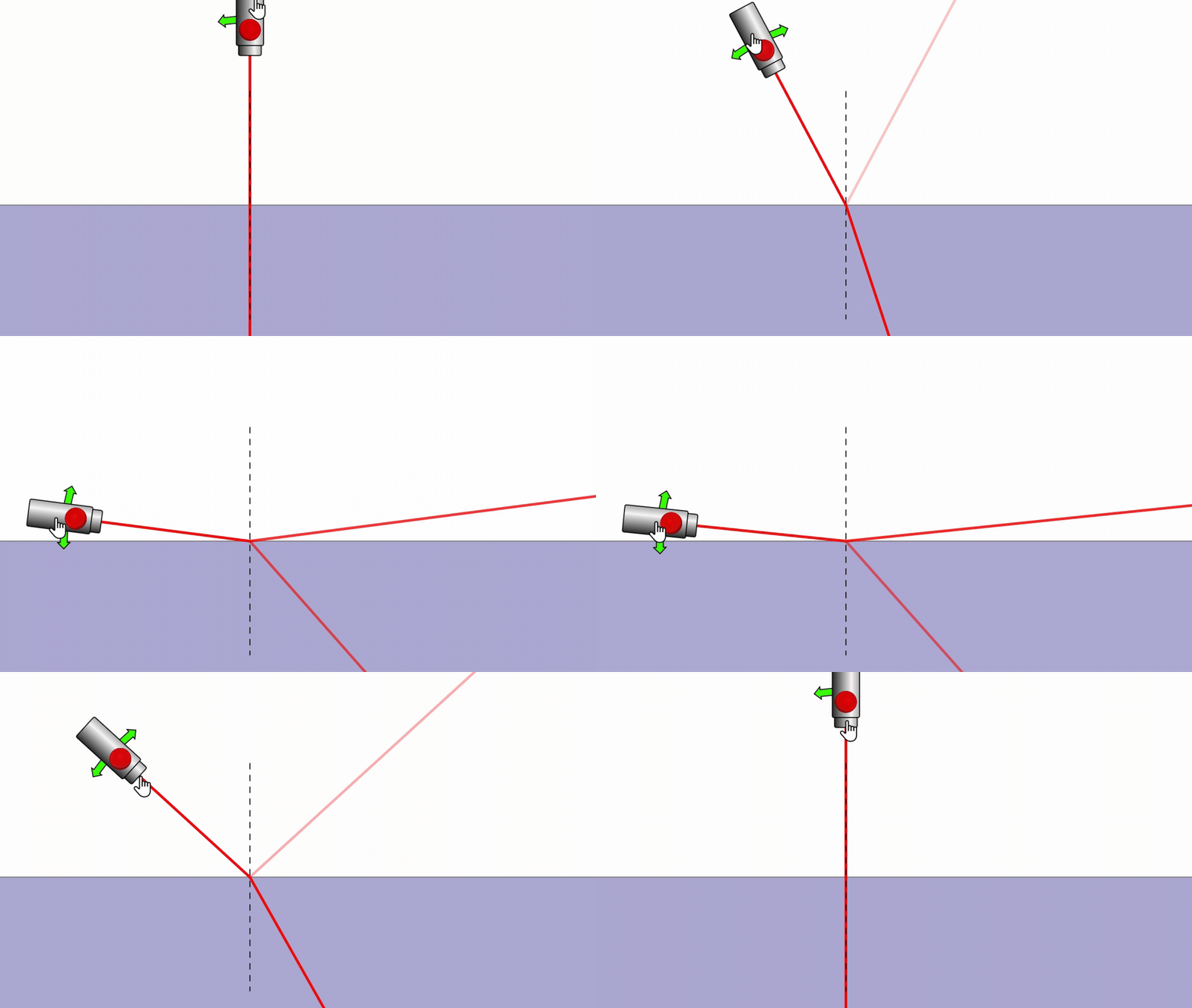
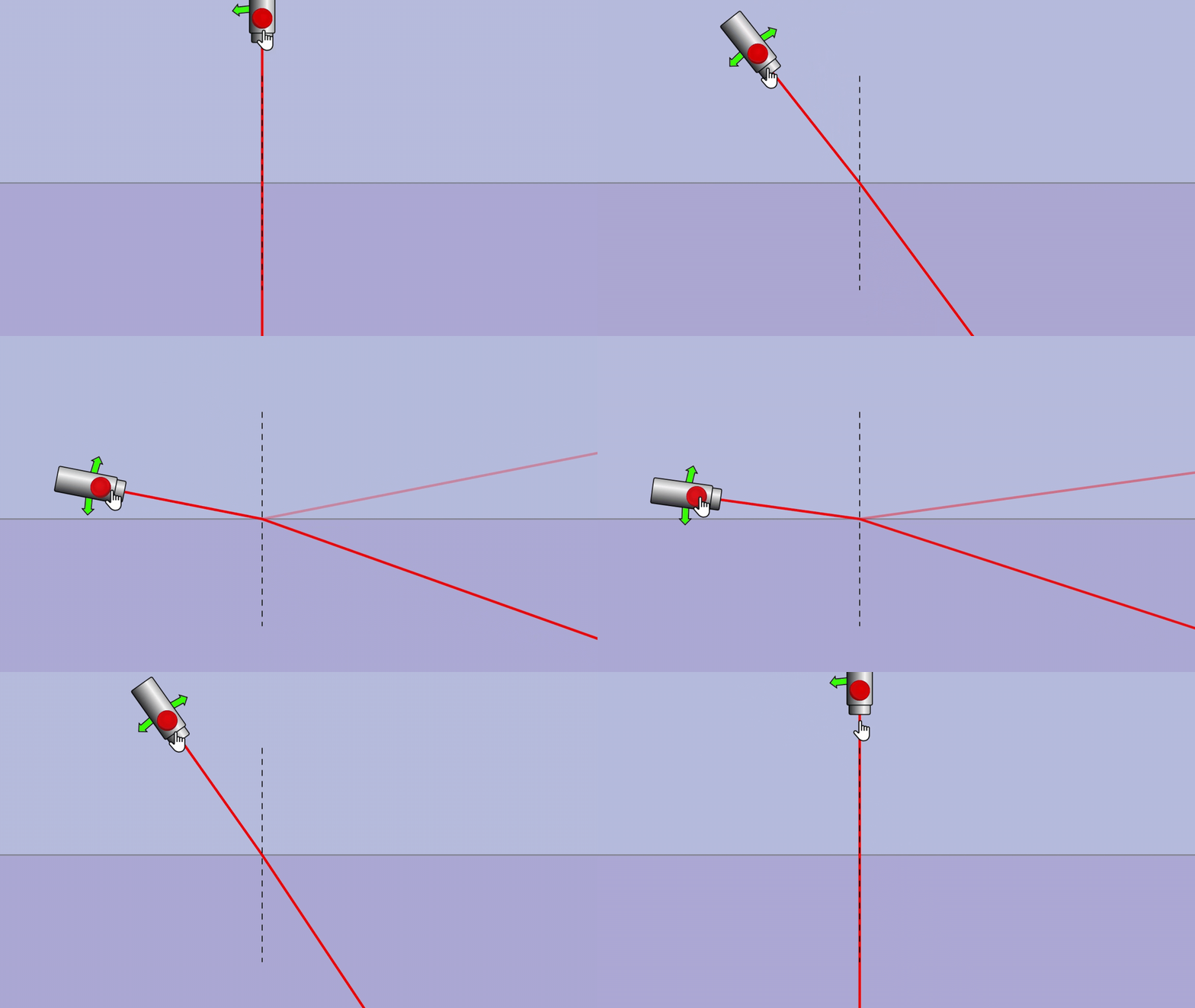
OCA has a more similar refractive index to LCDs and glass, compared to air.
-
Allows reduced partial reflection internally and hence better transmission of light.
-
More light reaches the eyes, increases visibility of content.
-
Light travelling from air (white portion) to glass (purple portion), faint red line = partial reflection
Light travelling from OCA (light purple) to glass (darker purple portion), faint red line = partial reflection
Animations Created With: https://phet.colorado.edu/sims/html/bending-light/latest/bending-light_all.html
Why OCAs Might Weaken Over Time
-
Prolonged Exposure To UV Radiation:
-
UV radiation cleaves bonds within the adhesive.
-
This decreases the structural integrity of the material as it deforms.
-
Adhesive and cohesive properties decrease.
-
-
Extremely High Temperatures:
-
Causes OCA to melt and become too viscous, losing its structural integrity.
-
Lack of structural integrity.
-

-
Crosslinking density ↓ = More "liquid-like"
-
The material can no longer hold itself well enough → Cannot adhere to substrates as well.
-
Extremely Low Temperature:
-
Low mobility of molecules = Cannot shift to adapt to stress.
-
Becomes very brittle: ↓ Durability, ↓ Cohesiveness, ↓ Adhesiveness.
-

-
High Humidity:

-
Excess moisture can also cause hydrolysis of crosslinks.
-
Causes a lack of structural integrity, and a decrease in cohesiveness properties.

Hydrolysis: Break down of chemical bonds by the addition of water, to form simpler substances. https://byjus.com/chemistry/hydrolysis/#:~:text=Hydrolysis%20is%20a%20common%20form,word%20break%20or%20to%20unbind.